


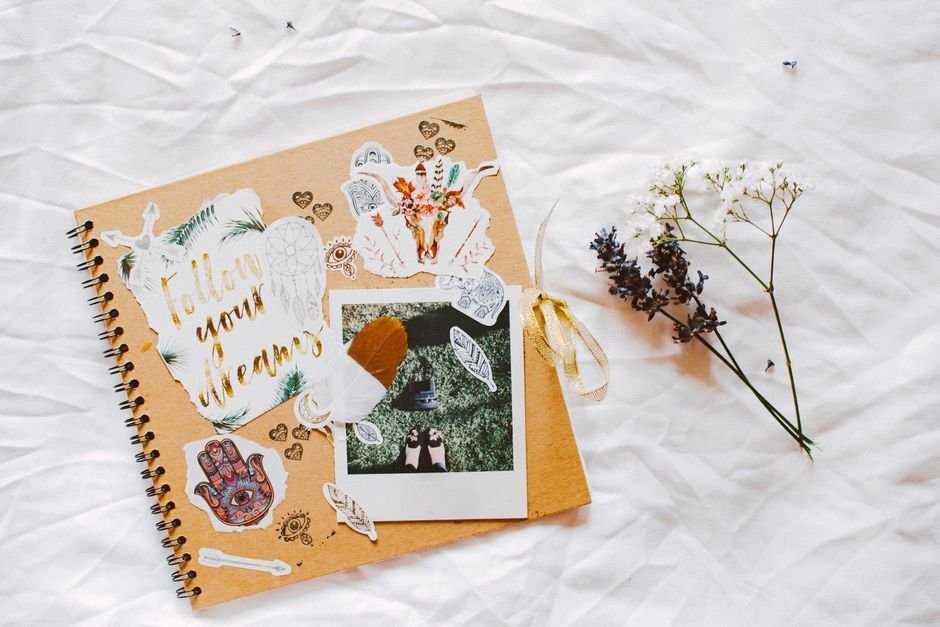
If you’ve ever spent a rainy weekend obsessing over stamps, ink pads, or those elusive scrapbooking kits, you probably know Close To My Heart. Maybe you were a “Maker” — their term for consultants — or just a loyal customer with a box marked “CTMH” on the shelf. But now, after forty years outfitting scrapbookers and card-makers, Close To My Heart has officially gone out of business. So what led to its final curtain call, and what happens now to the community it built?
Let’s set the scene — because this isn’t just a story about artsy supplies. CTMH’s ending draws a line under the changing economics and heartburn of an entire industry. It’s a lesson in discipline, perseverance, and what happens when a niche brand can’t outrun the clock.
A Forty-Year Staple in Papercraft: The Backstory
Start at the beginning: In 1984, Jeanette Lynton founded CTMH out of her Utah basement, selling rubber stamps before Target carried washi tape. Her vision? Make creativity accessible, and turn a side hustle into a movement. By the 2000s, Close To My Heart had gained an almost cult following — tens of thousands of makers, a library of kit-of-the-month launches, and enough teal and plum ink refills to wallpaper Fresno.
They didn’t just sell stamps. They delivered catalogs thick as phonebooks (ask your older cousin what those are), held conventions with marathon crop sessions, and offered an actual business opportunity — order enough, and you could become a CTMH “Maker” yourself. By one count, the company outlasted well over half its direct-sales peers and weathered at least two major papercraft busts.
But even treasures run low — and in February 2024, the news broke.
The Lineup to Goodbye: Closure Announcements and Dates
For starters, this wasn’t an ambiguous sunset — no mystery, no “returning in another form.” CTMH’s exit was concrete, with a countdown clock on its website. On February 27, 2024, Jeanette Lynton told Makers the company would shutter on June 30. That’s forty years, four months, and three days from its founding — for those marking calendars.
The timeline that followed was strikingly clear. Through April 30, consultants could still operate business as usual, earning commissions from customer orders on their unique Maker sites. “We wanted to give you time to wind down, to say goodbye,” read the internal email, as shared by more than a dozen consultants online.
Come May, the system shifted: orders flowed directly through Close To My Heart, cutting out Maker commissions. The CTMH office — and, by then, a skeleton crew — raced to liquidate inventory and fulfill remaining orders. The company’s official LinkedIn flipped to “closed.” On June 30, at precisely midnight Mountain Time, the close arrived. “This has led to bittersweet goodbyes, nostalgia, and…frantic last-chance shopping,” one former consultant wrote the next day.
Why Now? Behind-the-Scenes Forces at Play
Was this just a case of “all good things”? Not quite. The papercrafting industry has been shrinking for the better part of a decade. Stamps and scrapbooks aren’t vanishing entirely, but social media replaced crops, and new hobbies (hello, digital planners) are eating the old guard’s lunch.
CTMH itself faced something of a triple whammy — rising shipping costs, thinning margins, and fickle consumer habits. One ex-consultant described it bluntly: “Competition was fierce. People are crafting differently, and kits once treasured now stack up unsold.” Another pointed out, “A lot of us just couldn’t make a living on cascade team-building anymore.”
The sales model was, by its end, creaky. Reward structures for Makers started to feel stale, and recruitment slowed. On top of everything, the business was led by family — with Jeanette Lynton in her early seventies and no heir apparent. The founder herself said in the final statement: “We celebrate 40 years of creativity. It is time to close this beautiful chapter.”
What Happened After: Makers, Inventory, and Stampin’ Up!
There’s a catch — CTMH didn’t simply vanish, leaving a papercrafters’ power vacuum. Stampin’ Up!, one of the other giants in the stamping business, saw the writing on the wall and made its move.
They brokered a deal to transition qualified CTMH Makers and acquired remaining inventory. Stampin’ Up! emailed welcome kits, hosted virtual onboarding meetings, and announced a “Close To My Heart Collection” would hit their demonstrators’ stores, while supplies lasted. “We are honored to provide a landing spot for the CTMH family,” read the Stampin’ Up! blog on June 10.
For Makers, this meant a lifeline — or, at the very least, a soft place to land. You could maintain some commissions, keep selling familiar product, and (for die-hard fans) tick off your wish list before the skids ran dry. On Facebook and Reddit, ex-CTMHers swapped advice about transferring downlines, calculating payouts, and decoding Stampin’ Up!’s “flex point” system (the new currency for earning bonuses).
Some went independent, clutching their favorite dies and bows, ready to start Etsy shops or YouTube channels built on years of CTMH experience. “This is not the end; just a new place for old creativity,” wrote one retiring Maker. It’s less “graceful exit” and more “musical chairs with ink stains.”
What About the Customers?
If you stocked up on “Story by Stacy” or became a diehard “Workshop Wow” fan, the goodbye felt personal. Customers got a last-chance scramble: until April 30, you could support your favorite Maker; after that, only CTMH’s own web store took orders, with whatever inventory remained. After June 30? Only Stampin’ Up! and their demonstrators carried a smattering of leftover CTMH stock — and those were marketed as “while supplies last.”
Blogs lit up with both eulogies and eye rolls: “CTMH made my craft room,” said one, “and now I just hope my inks don’t dry out.” Another posted, “Guess it’s time to finally organize my stash…or not.” A cottage industry in “retired” CTMH gear — stamps, dies, and even logo tote bags — has already popped up on eBay and Instagram. Where there’s nostalgia, there’s resale value, apparently.
The Stampin’ Up! transition isn’t perfect. Some old CTMH favorites may never return, and not every Maker wanted to transfer. “It’s bittersweet,” one longtime customer told me by email. “I love seeing familiar faces at Stampin’ Up!, but it’s not the same as Jeanne running a home workshop.”
The Bigger Picture: When an Industry Ages Out
Zoom out and the story is bigger than a single company. The crafts market is vast — the Association for Creative Industries once pegged it at $44 billion in the U.S. alone — but it’s tough out there if you aren’t digital, subscription-based, or influencer-backed. People are still creating, but the way we buy and play is different now than in 1984…or 2009, for that matter.
Scrapbooking used to be a $3+ billion juggernaut. These days, even industry stalwarts admit “it’s aging out.” YouTube and Instagram became the new “crops.” E-commerce giants set pricing expectations (hello, Amazon Prime), while direct-sale models wrestled with higher costs, lower enthusiasm, and shifting demographics.
The odds? Not always kind. Direct sales companies face brutal math: churn rates above 60% aren’t unusual, and even the best see attrition. This has led some to describe the sector as “unforgiving — it takes discipline and a loyal following just to survive, let alone thrive.”
Business operators studying this saga might recognize the warning signs: lack of digital innovation, dependency on aging customer bases, and overly optimistic growth projections. One industry tracker told In Business Voice, “The crafted product sector is growing, but it’s also unforgiving, and it takes discipline to win.” CTMH surfed the crest for a generation — but every wave hits the beach someday.
Lessons in Closure: Pragmatic Optimism for Makers and Customers
What are we left with, then? Not just a cautionary tale, but a roadmap — and a promise that, sometimes, endings spark new beginnings. For forty years, Close To My Heart anchored a strange and lovely industry, giving tens of thousands a creative springboard. Its closure hurts, but it also passes the torch.
As the ink dries, former Makers are already repurposing what they know — not only joining Stampin’ Up!, but building online followings, digging into niche product reselling, starting tutoring workshops, and designing their own digital SVG files. Customers, too, are adapting, test-driving new brands, joining hybrid workshops, and keeping CTMH’s tricks alive via YouTube and Pinterest.
Will all direct-sales papercraft companies shutter? Hardly. But success will be reserved for those who keep up — fast on their (rubber-stamped) feet, willing to pivot, chase value, and keep their fans close.
So let’s raise a teal-markered toast to Close To My Heart: a scrappy, indelible mainstay that taught us you can build a business on joy, but you still need to adapt when the world spins on. If you ever sold a kit, led a crop, or just hoarded a favorite stamp set — the legacy is yours, and, who knows, the next big thing in crafting could be getting brainstormed right now, over a half-finished album, somewhere in Utah.
Read Also: