


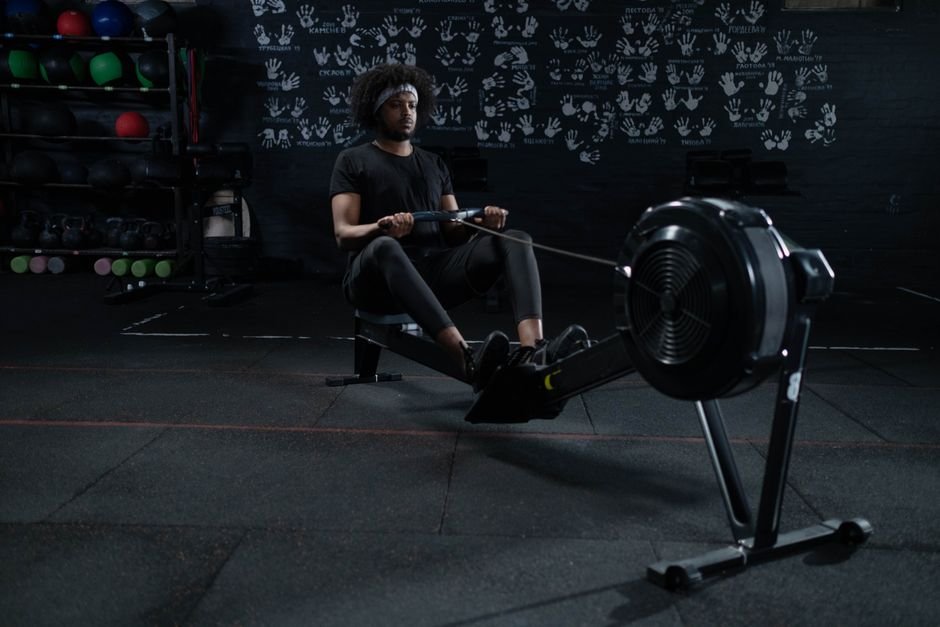
Rumors have a tricky half-life, especially when they start with a round of layoffs and spiral through Reddit, Facebook, and panicked group texts. This spring, Hydrow — the well-groomed disruptor of at-home rowing — found itself dog-paddling through a fresh wave of “Are they going under?” headlines. If you’re the proud owner of a $2,000 Hydrow Rower or maybe someone thinking about pulling the trigger on one, there’s good news: Hydrow is absolutely not out of business. But the story is, well, rowdy — so let’s break it down.
Who (and What) Is Hydrow, Anyway?
Set the scene: 2017. A team led by Bruce Smith (a real-life US National Team coach) launches Hydrow into the then-sleepy connected fitness market with a single product. Not just any rowing machine, but a high-gloss, screen-toting, content-driven piece of hardware that streamed real Olympic athletes. By 2020, when COVID lockdowns had gym rats gnawing at their baseboards, Hydrow’s sales shot up over 400% year-over-year. For a while, every other living room echoed with the click of an oar.
Hydrow’s pitch? “Live outdoor reality” workouts that fuse community, data, and a dash of competitive spirit. It was something the Pelotons of the world couldn’t quite replicate. Now, post-pandemic, that once-smooth water is choppier — and people are asking why.
Hydrow’s Current Business Status: More Alive Than Ever
First, the facts. Is Hydrow filing for bankruptcy? Shutting the doors, unplugging rowers, calling it quits? Not even close. If anything, they’re flexing hard. In May 2024, Hydrow announced it had gobbled up a majority stake in Speede Fitness — not a cheap, symbolic gesture, but a legitimate growth move. Speede specializes in next-gen strength training, which means Hydrow is swimming outside its rowing lane in search of new customers.
That sort of acquisition isn’t a “preserving dignity while the Titanic sinks” maneuver. It’s what private companies do when they’re still hungry. By one count, PitchBook lists Hydrow’s company profile as private, revenue-generating, and sitting on a recent financing round. As of mid-2024, headcount clocks in around 119 (give or take a layoff cycle).
Want one more gut-check? Hydrow’s Better Business Bureau account is still accepting new complaints and responding to customers into June 2026 — the kind of administrative detail that folds the minute the lights go out for good.
What’s Keeping Hydrow Kicking? Signs of Ongoing Operation
Let’s look for smoke signals. Hydrow is rolling out customer support — responding to returns, warranty requests, and software issues — at a pace that would exhaust your average SaaS startup. Their social handles (especially on Instagram and Twitter/X) still feature fresh content, Q&As with athletes, and even product teasers.
There’s more. In 2023, after a bruising drop in demand (down about 30% for at-home fitness industry-wide), Hydrow laid out a new strategic roadmap. This led to an expansion beyond just the rower — yes, that Speede acquisition again — and a flurry of new class formats and coach personalities.
Analytic geek-out time: take PitchBook’s last data drop — Hydrow’s revenue stayed steady year-over-year through 2022–2023, and they completed an eight-figure financing round post-pandemic. “We’re building for the future, not booking a clearance sale,” said one exec in a recent trade interview. You don’t raise money like that if you’re going to close shop next quarter.
At large, customers are still able to buy Hydrow machines (both Gen 1 and the sleeker Hydrow Wave) direct from the site and from third-party sellers, with solid in-stock status and regular shipping — something that unambiguously dead companies can’t promise.
So, Where’s The Confusion Coming From?
If Hydrow is still alive, why did panic spike in late 2022 and again this year? For starters, the layoffs were no joke. The company let go of a significant chunk of its workforce — by one count, as much as a third — across two years. Those LinkedIn posts have a way of leaking out and planting seeds of doubt.
Then came the leadership shuffle. Founder and rowing evangelist Bruce Smith, who’d been the face of Hydrow since day one, quietly shifted out of the CEO chair in 2024. John Stellato, the ever-pragmatic CFO/COO (and now President), took over daily operations. That’s a “we want someone with sharp pencils and operational discipline” move, not always a warm-and-fuzzy sign, but pretty normal for a hardware business maturing past the founder-magic stage.
This has led to speculation — if key faces are out and the company is shrinking, does that mean the end? In reality, most successful turnarounds include a bout of ugly restructuring. Ask Peloton (multiple layoffs, new CEO, still here) or any hardware-driven startup that scaled too fast. Hydrow isn’t unique in that regard.
Paddling Through The Market Rapids: Fitness Is Harder Now
The pandemic was an odd lottery ticket for every at-home fitness company. Demand spiked, everyone bulked up on inventory and headcount, then — as life found its “new normal” — the hangover kicked in. Market research folks estimate that ~38% of Americans tried at-home fitness between 2020 and 2021. By 2023, gym memberships and outdoor activities bounced back, and that explosive at-home growth retrenched fast.
Hydrow, like Peloton and Mirror, watched their core customer base change — from first-time buyers flush with stimulus cash to repeat customers weighing monthly subscriptions against canceled Netflix charges. Hardware is expensive to build and harder to support long-term, and the content treadmill (pun intended) never stops. No surprise, then, that scaling back (read: layoffs, margin focus, less wild marketing) was the order of business.
But here’s the twist — Hydrow didn’t just clam up. Instead, they started broadening their horizons by adding strength fitness (with Speede), layering in new classes, and courting corporate wellness contracts. It’s classic business jiu-jitsu: go where the pain is, then find a way to win there.
Where Hydrow Stands Now: A Reality Check for Skeptics
From a fifty-yard view, Hydrow today is leaner, arguably tougher, and more diversified than it was at the peak of pandemic mania. The company is focusing on recurring revenue — think monthly class subscriptions (currently $44), the bread and butter of every connected fitness brand worth its salt.
Hydrow’s biggest bets for the next 12–24 months? According to people close to the company, it’s about three things: 1) Outlasting less disciplined competitors; 2) Putting down roots beyond rowing (cue: Speede and strength); and 3) Making their subscription platform “sticky,” as in, too integrated to cancel easily.
Are there risks? Always. Hydrow has big debts from years of fast scaling. Competition in connected fitness is bruising, and the pandemic spike will never repeat, save for another once-in-a-century event. But so far, all evidence points to a company that’s alive and paddling upstream, not sinking.
Don’t Panic, But Stay Informed: The Reality of Fitness Business Survival
If you’re hearing rumors, remember: bad news often spreads faster than facts, especially in venture-backed land. Investor pain is real — but Hydrow’s customers, by and large, are still rowing, complaining (and being answered), and paying their monthly membership fees.
Want to really track whether Hydrow’s healthy? Watch for signs like:
– New product launches (like their entry into strength training)
– Continued social and email activity
– Active customer support and BBB responses
– Updates to class formats and instructor rosters
If any of those suddenly dry up, that’s the time to sweat. Until then, they’re still putting oars in the virtual water.
If you have a rower at home, enjoy your workout. If you’re a business junkie, view Hydrow as a case study in post-boom discipline — not a cautionary tale, but a playbook for how companies can outlast tough cycles by evolving past their first act.
Looking Ahead: What Might the Next Chapter Hold?
Here’s the real rub. The connected fitness sector is growing — but it’s also unforgiving, and it takes discipline to win. Investors, customers, and founders alike will need to accept that the wild hyper-growth years are gone. Now, it’s all about survival, sharp margins, and creating member experiences people actually want to stick around for.
Could Hydrow eventually attract a buyer or merge into a larger fitness conglomerate? Possibly. Will they need to raise even more capital? It wouldn’t surprise anyone watching this space. The good news, as of 2024, is that Hydrow is showing all the classic moves of a company choosing to adapt rather than expire.
Curious how other businesses are handling headwinds? Check out more operator-focused insights at InBusinessVoice — where stories like Hydrow’s get the human treatment, not just the stock market echo chamber.
So, next time you catch wind of Hydrow’s doom, remember: rumors make for exciting headlines, but the numbers — and the rowing machines — are still moving.
Read Also: