


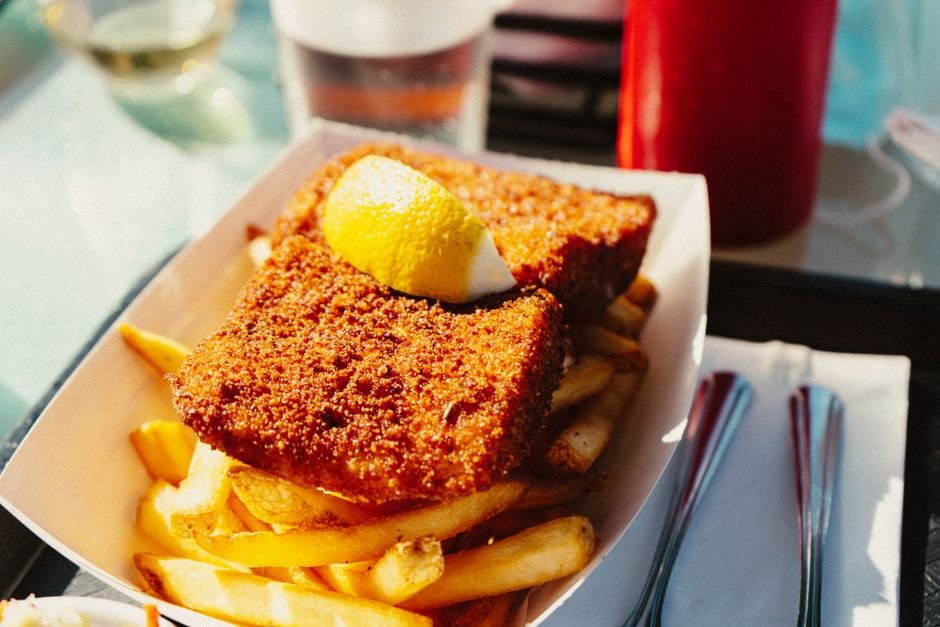
If you’re old enough to remember putting hush puppies in the ashtray of your parents’ station wagon, you might be wondering—where did all the Long John Silver’s go? You aren’t alone. Every few months, stories circulate about yet another location closing down, a bankruptcy rumor here, a “farewell, fish planks” headline there. Is the golden anchor about to sink for good? Or is something else going on behind the scenes?
The answer depends on how you define “going out of business.” If you mean “Are they gone forever?”—throw that fish tale back. But if you mean “Are their numbers shrinking faster than a low tide?” then yes, the chain is a shadow of its former self. Let’s clear the air.
How Many Long John Silver’s Are Left?
For starters, yes—Long John Silver’s is still open in the U.S. and internationally. The iconic fried seafood chain, famous for both its battered fish and an inescapable whiff of nostalgia, continues slinging platters in hundreds of locations.
How many, exactly? Well, that depends on the month. By one count, there were about 485 U.S. locations at the very end of 2024. Look a little further into 2026, and that number drops to roughly 373–377, according to the official store locator and multiple news reports. USA Today, in June 2026, names 477 U.S. locations—214 company-owned, 262 franchised—with “about 110 closures during a recent reorganization.” The differences mostly come down to reporting lag, whether international units are included, and whether you’re counting temporarily closed stores or only those permanently shuttered.
But here’s the punchline: Even at 477 stores, the brand is operating at just one-third of its peak. At their height, Long John Silver’s boasted more than 1,300 U.S. outposts. Grab a map and a red marker—most of those pins are gone.
Why Did So Many Locations Close?
This has led to a sense of doom swirling around the chain. In some cities, it feels like every time you want a basket of fish, your only option now is to make it yourself—or take a road trip. But this isn’t a complete, chainwide collapse. It’s a highly publicized, sometimes painful downsizing that’s been brewing since the Great Recession.
Since 2008, Long John Silver’s has axed about 706 U.S. locations—over half its total. A chunk of those closures came in just the past few years: 49 in 2022, 71 in 2023, and 34 more by spring of 2024. In just the last 18 months or so, a further ~110 units vanished, largely as a result of ditching co-branded arrangements with Taco Bell, KFC, and A&W. These partnerships—born out of the Yum! Brands era—once helped Long John Silver’s ride shotgun in traffic-heavy shopping strips. But cracks widened, and the chains went their separate ways. The result? Rapid closures in clusters, especially in the Midwest and South.
It’s tempting to equate this with lights-out for the whole company, but the closures are strategic—pruning the deadwood so the main trunk (and the most profitable locations) can keep growing.
Some Closures Are Local, Not Corporate
Here’s where the confusion stings. Many “Long John Silver’s is closing” stories you see online are about one specific store—or a franchisee letting go of their stake—not about the corporate parent sinking into oblivion.
Consider the case of Uplifted Foods, LLC, a franchisee who ran the high-traffic Mall of America location in Minnesota. When they filed for Chapter 7 bankruptcy in early 2026, not only did the doors close, but the entire state of Minnesota was wiped off the Long John Silver’s map. National news picked up the story, and suddenly Twitter was awash in “RIP Long John Silver’s” eulogies. But zoom out: The chain’s headquarters never filed for bankruptcy; this was a local franchise collapse.
Internationally, a similar story played out at Singapore’s beloved Tampines Mall outlet. After a long run, it shut its doors in March 2026. Again, the narrative isn’t a global wipeout—it’s about changing real estate economics, rising costs, and local lease battles.
If your city’s location goes dark, it stings. But it doesn’t always spell doom for the name nationwide.
The New Owners: Four Oaks Partners and a Fresh Playbook
Here’s the plot twist most fans didn’t see coming. In November 2022, Four Oaks Partners—a collection of investors led by major franchise operator Bob Jenkins—bought out Long John Silver’s. You’d be forgiven for not recognizing the name, but Jenkins is a seasoned operator within the brand, deep into the day-to-day reality of flipping fish and juggling labor costs.
The new owners immediately began moving the chess pieces. By October 2025, Long John Silver’s had a completely refreshed look: new store signage, a slicker logo, and (in a move designed to lure wider crowds) a “chicken and seafood” tagline that gives fried chicken equal billing with battered cod. The rebrand isn’t just window dressing; company reps say it’s part of a real push to modernize kitchens, support franchisees, improve digital ordering, and—where the numbers work—open new stores.
As of mid-2026, Long John Silver’s describes business as “building positive momentum,” a phrase that reads like cautious optimism with a side of coleslaw. Some underperformers are still being “evaluated”—meaning more units will likely close—but it’s not the scorched-earth retreat you’d expect from a brand on death’s door.
Financial Woes: The Anchors That Dragged the Ship
Now, let’s talk about the big plank in the chain’s eye. Long John Silver’s has lurched from one financial storm to the next for decades. They filed bankruptcy in the late 1990s (back when pager sales outpaced internet orders), and sales traffic eroded in the 2000s as McDonald’s, Chick-fil-A, and fast-casual upstarts drank their milkshake.
By the early 2010s, private equity and strategic buyers played hot potato with the brand, hoping someone else would figure out how to make hush puppies sexy for the Instagram crowd. The reality? Store volumes shrank, and many locations (with their wood-paneled booths and faded treasure maps) started to look less like “quaint nostalgia” and more like “Frozen in Time: Fast Food Edition.”
But here’s where the story flips: By 2024, analysts stopped talking about “imminent collapse” and started dropping phrases like “staging a comeback.” Sales aren’t shooting through the roof, but the bleeding has slowed. Four Oaks Partners is betting heavily that a lighter footprint and sharper focus can turn things around.
Public Perception: Why the End Feels So Near (And Sometimes Isn’t)
So why does every new closure seem to herald the end? Blame it on memory bias, scarcity, and our collective love for a fried underdog story.
Communities often mourn a closing like a lost friend. And when there are only three stores left in your state—a situation that’s real, for example, in Florida and Michigan—each closure feels tectonic. Throw in a social feed full of farewell posts and the occasional bankruptcy headline for added drama.
But let’s not confuse headlines for the whole truth. The ship is battered, but still afloat. About 370–470 stores remain, with both company and franchise locations grinding it out. Their focus—if you read between the lines—has moved from “be everywhere” to “be profitable where we can win.”
What’s Next? The Turnaround Playbook
The quick version: There’s no plan to shut down all of Long John Silver’s. None announced, none rumored by people with a view of the books, and none brewing as a surprise ambush. What is underway is a massive downsizing, some forced discipline, and a bet that smaller can still mean viable.
Will every store survive? Absolutely not. Underperformers and old co-branded sites will likely keep closing for now. But the chain is refocusing on operations, tech upgrades, and experimenting with “fish meets chicken” menus that have worked for competitors like Raising Cane’s.
The fast-food industry rewards speed, taste, and marketing sizzle—but it also punishes nostalgia when customer habits change. The Long John Silver’s story right now is one part cautionary tale, one part slow comeback. If you like quirky American brands with nine lives and a stubborn streak, this is a business worth watching.
Still Craving Fish Planks? Find Your Nearest Store
If you’re feeling nostalgic (or just plain hungry for some crunchy whitefish), the best move is to check the brand’s locator. Because, in some states, you may need to drive twenty minutes or cross a county line to find a still-open Long John Silver’s. Given that counts are as low as 373 active U.S. stores “at last count,” don’t assume the nearest one on Google Maps is current.
Want up-to-the-minute restaurant business news? Check out InBusinessVoice.com—they keep a close eye on fast-food comebacks and corporate strategy.
And if you’re really determined, shoot me your zip code or city. I’ll do my best to help you figure out if there’s a battered fish plank somewhere in reach, or whether it’s time to dust off your Dutch oven and try a home-brewed recipe.
The bottom line: The Long John Silver’s chain isn’t dead, but it’s definitely on a new voyage—smaller, leaner, and hoping that fried fish (maybe with some chicken fingers on the side) will keep winning hearts, at least for a while longer. If you spot those iconic blue-roofed stores, take a photo. Like all great comeback stories, who knows if they’ll ever be this small—or this scrappy—again.
Read Also: