


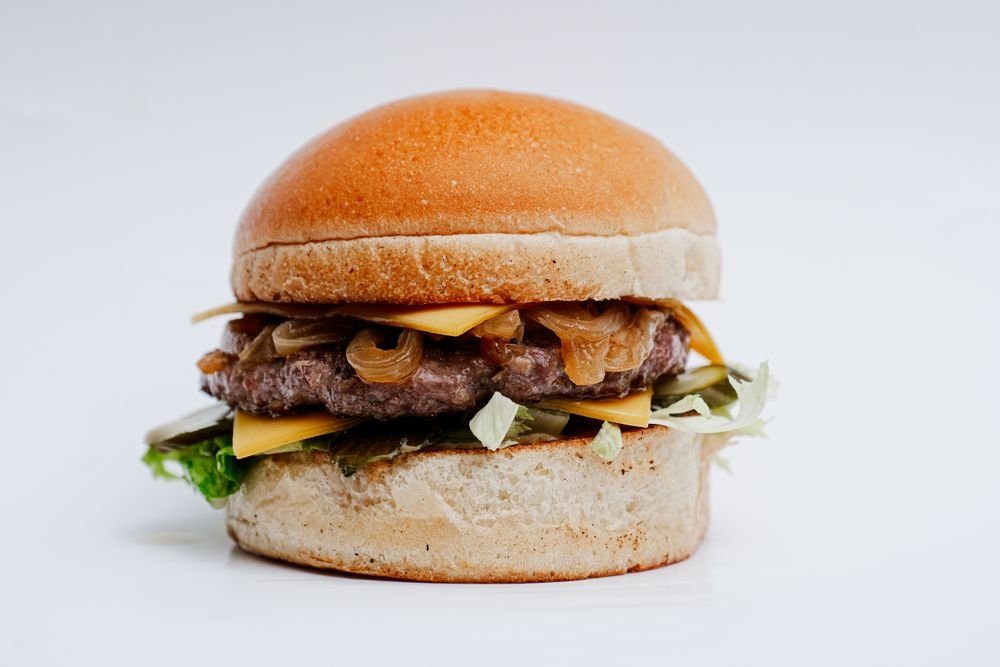
For anyone who grew up in the South — or just loves a chargrilled burger that tastes like Saturday afternoons — Back Yard Burgers is more than a name. It’s a nostalgia trigger. Founded in Mississippi in 1987, the chain made its bones on smoky, just-off-the-grill burgers and big, tailgate energy. In its heyday, Back Yard Burgers stood out as a rare fast-food brand boasting “100% Black Angus” before it was cool. At its peak? Over 180 locations blazing across the U.S., slinging burgers, hand-dipped shakes, and those infamous seasoned fries.
But if you’ve tried finding one lately, you know things have changed. So, is Back Yard Burgers going out of business? Or just hanging on by a thread? Let’s grill up the facts.
Current Status: How Many Back Yard Burgers Are Actually Left?
For starters, Back Yard Burgers isn’t technically “gone” — but it’s closer than ever. By one recent count, the company’s own website listed only 10 to 11 open restaurants still operating. That number includes scattered survivors in North Carolina, Arkansas, Mississippi, Tennessee, and Florida. Even Illinois holds on to a single lonely outpost.
Fast-forward to early 2026: industry reporting pegs the total at just seven. Seven! That’s a fall from grace that’s nearly off the grill entirely, down from more than 180 at its peak.
This isn’t just a footnote; it’s a textbook case of shrinkage few brands survive. For comparison, that’s a larger percentage drop than even Krispy Kreme weathered after its own bubble burst in the 2000s. Most people drive for miles in some states and never see the iconic flame logo.
The Money Problems: Two Rounds of Bankruptcy, One Grim Story
How did things get this dire? Like a burger left too long on the coals, Back Yard Burgers has endured repeat financial “flare-ups.” The first big alarm bells rang in 2012, when the chain filed for Chapter 11 bankruptcy. At the time, executives blamed over-expansion and the Great Recession’s leftovers. A few locations closed, but for a time, hope flickered on the horizon.
But then came the COVID-19 pandemic, and with it, fresh debts and more unpaid bills. By mid-2023, Back Yard Burgers was in bankruptcy court again. This wasn’t some gentle restructuring, either. The company cited “pandemic-era debts and accumulated accounts payable” — a fancy way of saying, “We can’t make the numbers work.” Dozens of locations had already shuttered in the years prior.
2024 was particularly harsh. Bankruptcy filings in the Western District of North Carolina showed executives struggling even to reorganize the shrunken business — never a sign of health. Then came the scariest phrase a burger chain can hear: “Chapter 7 liquidation.” The federal bankruptcy administrator filed a motion to either shift to Chapter 7 (which means total shutdown and asset sale) or toss out the case. Liquidation was, for several tense months, a real possibility.
The business reemerged from Chapter 11 later that year, battered but breathing, with a single-digit store count. The word “viable” is doing heavy lifting here: survival, not success, is the brand’s headline.
Back Yard Burgers Store Closures: A State-by-State Vanishing Act
The stories on the ground paint a sobering picture. Consider Missouri — specifically, the Kansas City area. Independence and Blue Springs once hosted busy Back Yard Burgers joints. By early 2023, both were shuttered. As one local owner put it (with a wince), “These were the last two Backyard Burgers in Kansas City.” The reasons? Bankruptcy and, frankly, retirement. Regulars only found out when the doors didn’t open and a note appeared: “Permanently closed.”
Head over to North Carolina. In Raleigh, longstanding customers arrived to discover locked doors and a curt sign referencing legal contacts and bankruptcy. In Charlotte, the same scene played out. Those closures were confirmed to be part of what corporate called “strategic restructuring.” Translation: They couldn’t keep the lights on.
Mississippi, the chain’s home state, suffered an even harsher cut. In a single week in March 2023, backyard fans in Jackson watched nearly every area location close, one after the other. Other parts of Mississippi fared no better. Some franchisees said they found out through Facebook messages or just by seeing trucks hauling equipment away. By the end of the month, almost every Mississippi store outside a few franchises, was gone.
Let’s not forget Arkansas. A wave of closures hit there as far back as 2012. Stores shut down virtually overnight; local franchisees said the math was simple: “unprofitable.” One or two resistant franchises hung on, but corporate support fizzled.
Zoom out, and the pattern is brutally clear: Back Yard Burgers dropped from around 35 units in 2022 to 20 by mid-2023. Since then, that number kept sliding — every time you blink, there’s a new closure post in a local Facebook group or a report titled simply, “Backyard Burgers Has Closed Permanently.”
The Ripple Effect: Community Loss, Brand Confusion, and Practical Disappearance
This isn’t just some dry corporate saga — there are burgers and people behind all those numbers. When Kansas City’s last two stores closed, regulars traded memories of after-game meetups and first dates on neighborhood Facebook pages. One patron wrote, “I feel like the city’s lost a little flavor, you know?”
In places like Mississippi, closures hit even harder. For years, Back Yard Burgers was where families hit up the drive-thru after Friday night football, or grabbed a “Black & Bleu” burger on a lunch break. Suddenly, those routines were history.
All this vanishing has led to mass confusion — and even disbelief — among customers. A quick search turns up post after post asking, “Are any still open? I thought the whole chain was gone.” And, in practice, for most regions, it might as well be. The physical presence is so diminished that Back Yard Burgers has essentially gone “off-menu” in dozens of communities.
Why Did Back Yard Burgers Stumble So Hard?
So what flipped the burger? Start with this: The fast-food market is brutal, and it takes discipline to win. Back Yard Burgers once competed by offering a premium-tasting product and a touch of local feel. But as margins tightened, costs rose, and national chains rolled out their own “serious” burgers, it became harder to compete.
Then the pandemic hit — cue months of uneven demand, labor shortages, and a whiplash supply chain. Smaller chains like Back Yard Burgers lack the cash reserves and bargaining power to weather that kind of storm. By one account, they owed significant back rent, payroll taxes, and vendor bills. When creditors came knocking, there was no emergency fund.
The central story here: Back Yard Burgers never found a way to grow while staying profitable. Early expansion outpaced its systems and quality controls. Frequent ownership swaps and stretched franchisees added up to a patchwork operation — one never truly unified behind a winning playbook.
The Brand’s Survival Mode — and Its Uncertain Future
Locked in survival mode, Back Yard Burgers now lives on mostly as a memory, with a handful of physical locations as stubborn outposts. For many former fans, that’s a real gut-punch. The brand hasn’t given up — but, with just ~7 units left, its fate is one blown compressor away from becoming “corporate history.” Even among industry-watchers, the consensus is clear: complete shutdown is a knife’s edge away.
To put it bluntly, Back Yard Burgers is close to what retail nerds call “broken chain” status. That’s when a brand exists in name only, with just enough restaurants to keep the trademark alive and maybe, just maybe, test the waters for a private equity Hail Mary.
For hustlers and operators, this is a live case study in fast-food economics. Big taste doesn’t guarantee big margins. And nostalgia? It isn’t a business model. You can track every phase of the saga — expansion, contraction, rumors of liquidation, last-gasp relaunch — right alongside data from industry sites like In Business Voice, which lays out the numbers with no cheese or fries on the side.
Where Does This Leave the Burger?
The big question: Can Back Yard Burgers bounce back, or is this the long goodbye? As of today, the honest takeaway is that the odds are slim. Nobody is drafting a nationwide comeback in the corporate offices, and new locations haven’t opened. The seven or so restaurants grinding on in 2026 are mostly independents or deeply entrenched stores with loyal followings. Even those could go dark at a moment’s notice if rent increases or equipment goes down.
If you spot a Back Yard Burgers open in your state, treat it like a live fossil — snap a pic, order an original, and savor the fries. These burgers might soon live on only in memory, a once-delicious piece of the American fast-food story.
The burger business keeps growing — but it’s also unforgiving, and it takes discipline to win. Back Yard Burgers reminds us that success in food is about more than what’s on the grill: it’s about staying flexible, handling debt, and knowing when to call it a day.
At large, Back Yard Burgers isn’t out of business. But it’s a brand on life support — a faded classic in danger of becoming a trivia question. If this is the last chapter, let’s at least agree it was a tasty one.
Read Also: